


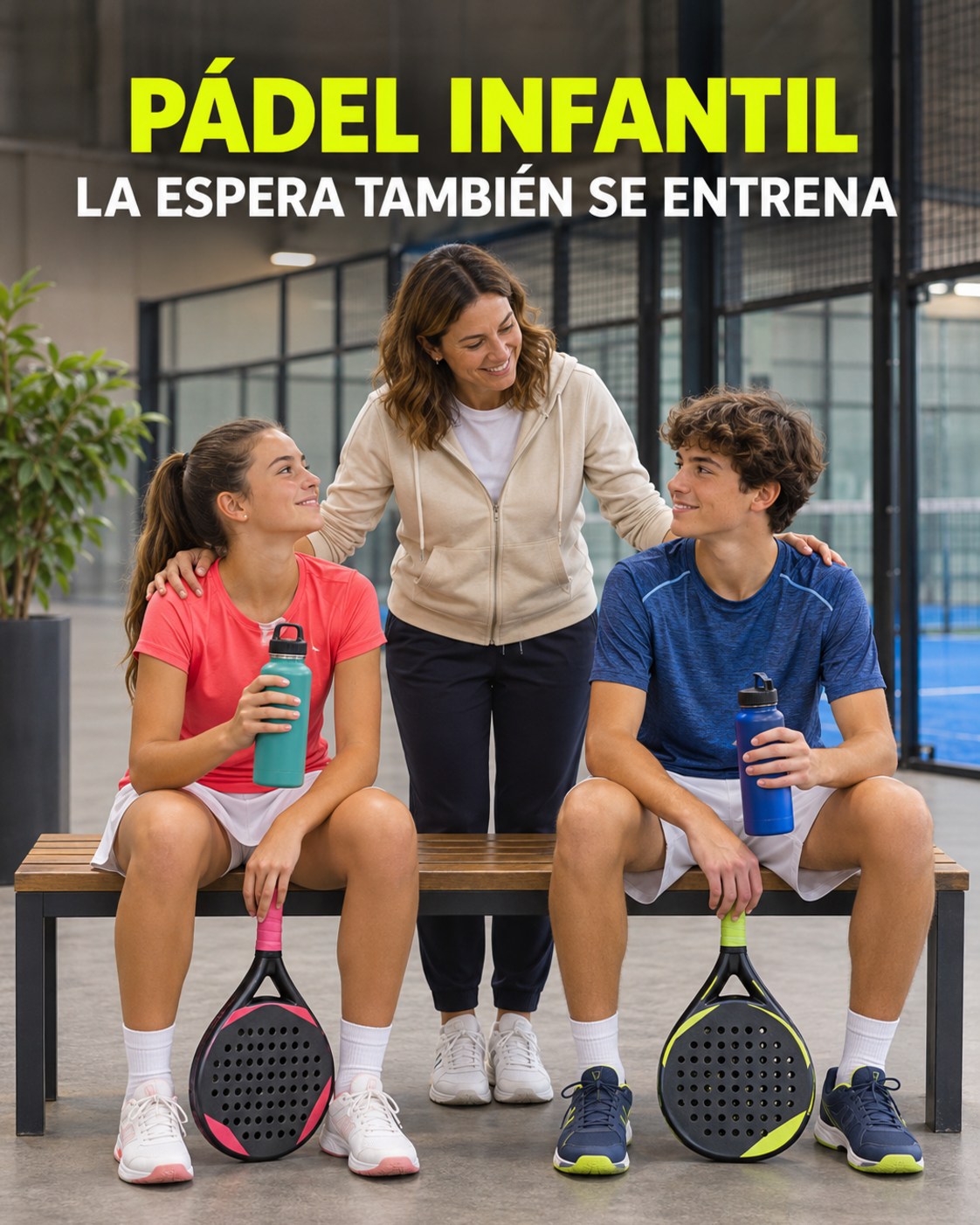
The day does not stop when the match ends
A young player puts down their racket, finds the captain and asks when the team plays again. Nobody is quite sure. They have already travelled, carried their kit and warmed up, perhaps more than once. Their time on court tells only part of the story.
Spain’s 2026 Infantil and Junior national youth team championships, scheduled for 6–8 November in Zaragoza, provide a useful example. The Spanish Padel Federation’s announcement reports 110 teams and 888 registered players across the two age groups. Managing the hours around the matches deserves some thought too.
Sources checked: 5 November 2026; editorial publication date: 4 November 2026. The announcement’s headline says “10 teams”, although its body gives 110. The official Infantil and Junior pages name Regal Pádel Club. Additional venues and specific playing times are not confirmed here: check the current draw with your captain. The ideas below apply well beyond this event.
Waiting can add to the day’s load
Think about everything that happens before and after play: the journey, walking around an unfamiliar club, carrying bags and standing beside teammates’ courts. In hot conditions, finding shade matters. In cold conditions, a damp shirt can make a break uncomfortable. Those are things to check on the day, rather than assumptions about Zaragoza’s weather.
Uncertainty can be tiring as well. A player who keeps hearing “you could be next” may never feel able to switch off. Repeated runs and jumps before an uncertain call add more work. Constantly checking scores keeps attention tied to the competition, even during a long gap.
Ask a concrete question: “What would help you feel comfortable when it is time to get ready?” Hunger, cold, boredom and worry need different responses. A player who looks restless may need reassurance rather than another drill. Listen without turning feelings into scores or comparing children’s tolerance.
Match the break to the time available
A short gap between matches: keep things simple. Drink calmly, dry off, adjust clothing and let breathing settle. Stay close to the agreed meeting point. Avoid starting a substantial meal or disappearing on an errand when the next call is confirmed and close. Follow the team’s instructions and the applicable competition rules.
A wait of one or two hours: there is more opportunity to sit, change, eat something familiar and step away mentally. Establish who will pass on updates. Having an hour available does not mean that the player should spend that hour hitting balls.
A long gap between ties or competition days: make room for an ordinary meal, quiet rest and a sensible return plan. Leaving the venue requires agreement about availability, travel and the meeting point. Between days, organise kit and protect bedtime. An evening practice session should not become a way of making up for a disappointing result.
These are planning categories, not guaranteed rest periods or tournament rules. Use the 2026 FEP General Technical Regulations and the FIP playing rules applicable in 2026 for the actual regulations. Changes announced for 2027 should not be assumed to apply to this edition.
A flexible timeline for the wait
Use these stages when the schedule allows. They are prompts for organising the break, not a routine every player must complete. Short gaps may leave room for only a few essentials.
The first 10 minutes: finish the previous match
Put the racket away and walk gently to a comfortable place without adding laps of the club. Begin drinking calmly, towel off and replace a damp shirt. Add a dry layer if it is cold; find a cooler, ventilated space if it is hot.
Before discussing tactics, ask how the player feels. A short exchange about one positive moment and one immediate need may be enough. Allow silence if they prefer it. Losing a match does not create an obligation to review every mistake while emotions are still settling.
Minutes 10–30: deal with practical needs
Ask the captain which details are confirmed about the next call and who will communicate changes. Use the toilet if needed and keep water, dry clothing and kit accessible. If the player is hungry and there is time, offer a familiar snack rather than waiting simply because everyone else is watching another match.
Then find somewhere to sit comfortably. Rest need not mean complete stillness: a short, easy walk or a trip to the toilet is fine. The purpose is to stop using energy by default, without policing every movement or searching for a perfect resting position.
The middle of the wait: give permission to switch off
Combine seated rest with gentle movement when it feels welcome or stiffness develops. Supporting teammates can be done from a chair. If seats are scarce, find an authorised rest area before everyone needs one. Standing at the fence out of duty can turn into a surprisingly long afternoon.
Offer something quiet: a book, cards or conversation about life outside the draw. Agree when to check results. A phone can carry the captain’s message without becoming the whole break. If a player wants to close their eyes, make sure the setting is suitable and an adult has responsibility for the next update.
The final 20–30 minutes: prepare to return
Once the information is reasonably reliable, collect kit, check shoes and clothing and begin moving progressively. Start with comfortable movement and mobility. Add familiar padel actions, changes of direction and hitting as agreed with the coach.
This window includes getting organised and reaching the right place; it is not a prescription for half an hour of hard exercise. The aim is to feel ready, not to prove commitment by sweating more. If the call is delayed again, ease back, replace a layer where needed and arrange another update instead of restarting a full warm-up.
Food and drink that fit the actual gap
Choose food according to appetite, the time available and what the player normally tolerates. Alberta Health Services’ youth sports nutrition handbook provides guidance on planning food and fluids around activity. Children do not all need identical portions or the same tournament menu.
With little time, familiar options might include a banana, bread or plain crackers. During a longer break, an omelette or cheese sandwich with fruit and water can be practical. Yoghurt needs to stay chilled. With a substantial gap, a normal rice or pasta meal with a familiar accompaniment may be easier than improvising at the last moment.
These are examples, not a diet plan. Consider breakfast, the previous meal and the activity already completed. If appetite is low, avoid insisting on a large meal and tell the responsible adult. If the wait grows longer, reconsider what the player needs rather than opening snack packets continuously. Keep perishable food cold and respect allergies and individual advice.
Have water within reach and create opportunities to drink throughout the day, without requiring bottles to be emptied on command. The Canadian Paediatric Society’s information for families distinguishes sports drinks from energy drinks and advises against energy drinks for children and teenagers. Feeling tired is not a reason to use them to get ready again.
For another straightforward food example, see our post-exercise sandwich, omelette and fruit guide.
Six mistakes that are easy to miss
- Standing throughout the break: watching feels passive, but the legs never get a proper opportunity to rest. Look for a seat early.
- Repeating complete warm-ups: every uncertain announcement can become another exercise session. Separate a schedule update from a confirmed call.
- Staying in damp kit: keep a dry top accessible so changing does not depend on a last-minute changing-room trip.
- Eating to fill time: another packet does not necessarily solve an uncomfortable wait. Check hunger and timing first.
- Following every score or phone update: adults can share that responsibility so players can disengage for a while.
- Making activation exhausting: feeling heavy after preparation is useful feedback. Reduce unnecessary work rather than adding more to demonstrate readiness.
A traffic light for returning to court
This is a conversation tool, not a diagnosis or a substitute for professional assessment.
Green: ready to start getting active. The player feels comfortable, walks normally, wants to begin and reports no discomfort affecting movement. Start the familiar warm-up gradually. Green does not promise that the next match will go well; it simply supports the next practical step.
Amber: adjust before doing more. Cold, stiffness after sitting, hunger, thirst, worry or heavy legs need attention. Identify the particular need, address it and begin more gently. Check the response with the coach. Running harder is unlikely to be the answer to every problem.
Red: tell someone and stop preparing. Pain that changes walking or hitting, dizziness, significant illness or feeling unable to continue must be shared with the captain, coach or family. Seek the assistance available when appropriate. Players should not have to decide alone or hide difficulties to help the team. This guide does not determine the cause.
A useful role for every adult
Parents: bring dry clothing, accessible water and familiar food. Find a place to sit and ask before offering advice. Avoid measuring one child against another. Our article on maturation and youth sport explains why physical comparisons can mislead.
Coaches: agree a familiar, adaptable return routine before the tournament. Save lengthy technical reviews for a better moment and explain which difficulties players should report. Someone who has played little may still be tired from travel and hours of anticipation.
Captains: centralise updates, distinguish confirmed times from estimates and set a meeting point. Tell families about changes without making every player monitor the draw. If a confirmed venue change requires travel, allow for that journey before deciding when preparation should begin.
Save this family tournament checklist
- Confirm the next call, location and person responsible for updates.
- Find a seat and shelter from heat or cold.
- Dry off and change damp clothing.
- Keep water available without forced drinking.
- Choose familiar food to suit hunger and the available time.
- Include something quiet and a break from results.
- Leave time to get ready without repeating unnecessary exercise.
- Check green, amber or red and communicate any difficulty.
- Organise kit and rest for the following day.
Family sport includes learning how to look after one another in these ordinary gaps. Organising and sharing the experience through YouVisible can include team moments, lessons and memories alongside the result. The time spent waiting belongs to the sporting story too.
Official and institutional sources
Links checked on 5 November 2026. The timeline and traffic light are practical editorial suggestions, not a clinical protocol or FEP instructions.
- FEP: Infantil and Junior participation announcement, published 2 November 2026.
- FEP: Infantil national youth team championship.
- FEP: Junior national youth team championship.
- FEP: General Technical Regulations, March 2026 revision.
- FIP, hosted by FEP: playing rules applicable from January 2026.
- Alberta Health Services: Sports Nutrition for Youth, a handbook for coaches.
- Canadian Paediatric Society: energy drinks and sports drinks, information for parents.