


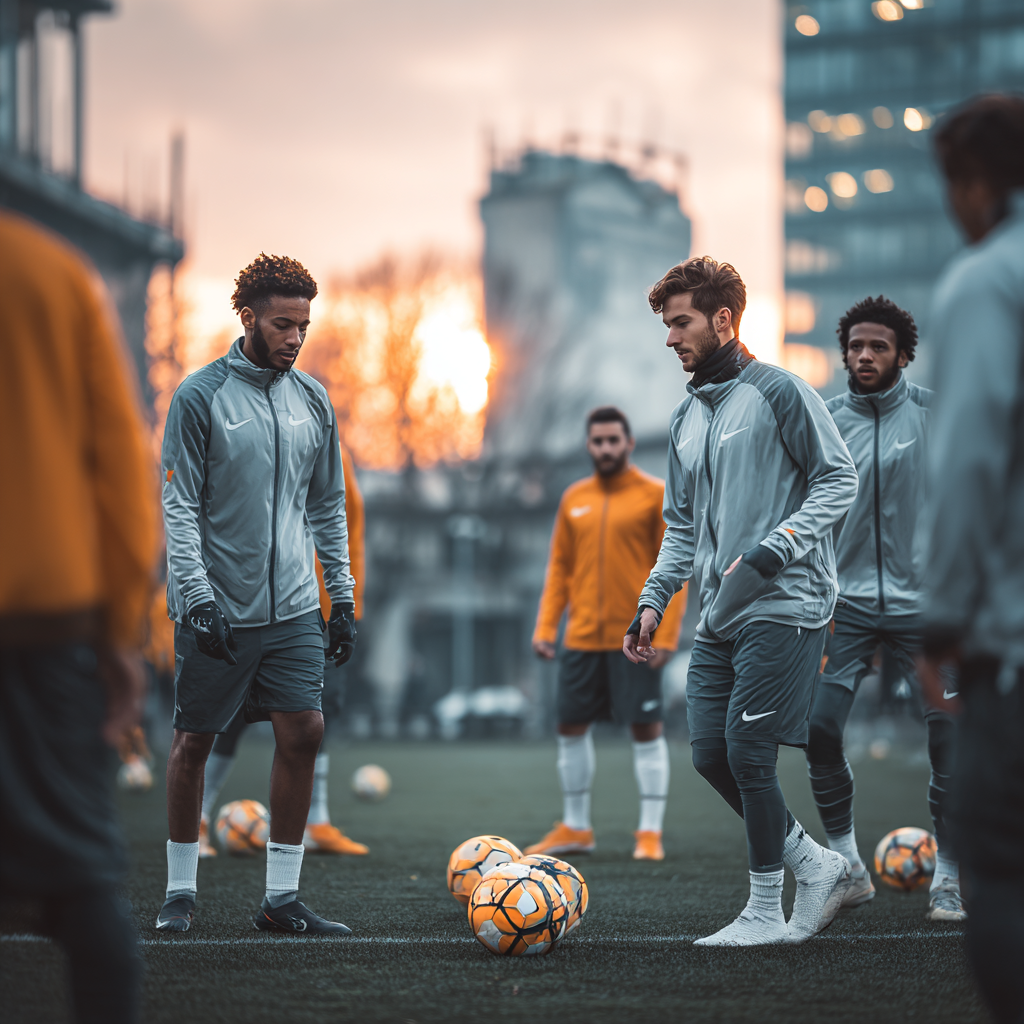
How to prepare for a football trial and leave a strong impression
A football trial can be one of the most important moments in a player's journey. In many cases, scouts and coaches have very limited time to evaluate each player, which means every detail matters.
The goal is not only to show talent. The goal is to demonstrate that you are a reliable, intelligent and competitive player.
Many players think the key to standing out is making a spectacular play. In reality, scouts often look for something deeper: consistency, decision-making, attitude and the ability to adapt to the game.
Preparing properly for a football trial significantly increases the chances of making a positive impression.
⚽ Understanding what a football trial really is
A trial is not a normal match.
During a trial, coaches observe multiple aspects at the same time:
👀 technical level
🧠 tactical intelligence
💪 physical capacity
🤝 team behavior
📈 competitive attitude
Most trials include several phases such as:
- technical exercises
- small-sided games
- short matches
For this reason, it is important to stay focused from the first minute until the last.
🧠 Preparation starts before the trial day
Your performance in a trial depends largely on how you prepare in the days before it.
Physical preparation
Arriving tired or out of shape reduces your chances immediately.
Focus especially on:
⚡ acceleration and first steps
🏃 endurance for repeated efforts
⚽ clean technical execution
Speed, agility and resistance are often decisive factors in trials because they are visible immediately during exercises and small-sided games.
Mental preparation
Nervousness before a trial is normal.
What matters is how you handle it.
A mentally prepared player:
✔ stays calm under pressure
✔ continues playing after mistakes
✔ listens carefully to instructions
✔ adapts quickly to different exercises
In many cases, scouts evaluate how players react to mistakes as much as they evaluate their best moments.
Practical preparation
Small logistical details can influence the first impression you give.
Prepare in advance:
🎒 full training kit
👟 comfortable boots you already know
🥤 water and light nutrition
⏰ arrive early
Being punctual and organized shows professionalism and commitment, which are qualities coaches appreciate.
🎯 What to do during the trial to stand out
Trials are rarely won by one spectacular play. They are won through consistent correct decisions.
Play simple and effective
Many players try to do too much in a trial.
However, coaches often value:
✔ clean first touches
✔ accurate passes
✔ quick decisions
A player who plays simple and efficient football often stands out more than one constantly attempting risky actions.
Show your strengths
Do not try to become a different player during the trial.
If your strengths are:
⚡ speed
🎯 vision
💪 physical strength
🧠 tactical awareness
make sure those qualities appear clearly during the session.
Scouts are looking for players who show a clear identity on the pitch.
Compete in every action
Competitive attitude is visible very quickly.
Players who:
🏃 press actively
💪 fight for every ball
📢 communicate with teammates
🔁 react quickly after losing possession
show the mentality coaches expect from players who want to progress.
Sometimes this attitude makes a stronger impression than technical highlights.
🚫 Common mistakes during football trials
Certain behaviors reduce your chances of being selected.
❌ Trying to impress in every action
Simple decisions are usually more effective.
❌ Losing focus after a mistake
Scouts often observe mental resilience.
❌ Ignoring instructions
Adaptability is a key quality for coaches.
❌ Negative body language
Complaints, frustration or visible negativity create a poor impression very quickly.
📈 How to leave a strong impression
Leaving a strong impression does not mean being the most spectacular player on the pitch.
It means that the coach remembers something specific about you.
For example:
⚽ "The full-back who always offered support"
⚽ "The midfielder who always played simple and controlled the rhythm"
⚽ "The winger who constantly pressed and attacked space"
When a scout can describe you like this, you have already created impact.
❓ Frequently asked questions
How long do football trials usually last?
It depends on the club, but most trials include one or several sessions with technical exercises and short matches.
Is communication during the game important?
Yes. Communication shows leadership and understanding of the game.
What do scouts usually value most?
Scouts generally look for a combination of:
⚽ technical quality
🧠 tactical intelligence
💪 competitiveness
📈 development potential
🏁 Conclusion
A football trial is not just an opportunity to show talent. It is an opportunity to demonstrate that you can compete at the next level.
Players who stand out in trials usually combine:
⚽ physical preparation
🧠 competitive mindset
📊 intelligent decision-making
🤝 professional attitude
When all these elements come together, performance improves significantly.
At YouVisible, the goal is to help players show their development, profile and progression more clearly, so that opportunities do not depend only on a single trial day but on a visible and structured football journey.